Quotessence
Home / Quotes / Quote by Danielle Dutton

Quote by Danielle Dutton

“Finding the form was really a very dynamic process. I went through a lot of shifting, trying to get it right. Because the writing took place over such a long time, it's hard for me to pinpoint when specific things happened, but basically the final version only materialized in the last two or so years. It was there, but it took me a while to see it and then to refine it after I'd seen it.”

Quote by Danielle Dutton

Author
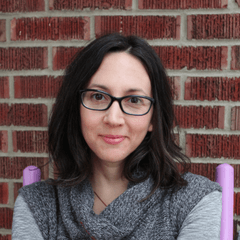
Danielle Dutton
Danielle Dutton

Danielle Dutton is a contemporary writer born in 1975. Her works span various literary forms including novels, poetry, and essays, and she is known for her unique narrative style and profound thematic explorations. more

You May Also Like

“But when I realized it was actually going to be this portrait of the artist, birth to death, I had to then discover who Margaret as a young woman would be. I had to find the different voices for her throughout her life. I had a lot of fun discovering that. I had a lot of fun writing the childhood sections. By imagining her childhood, I was able to come up with this voice that matures as she gets older.”

“The reason the middle section switches to third person is, well, this is middle age. This is the part in her life where she loses track of something that was driving her and has to figure out what's going to drive the next part of her mission, this mission to be an author. I had to push back away from her for a while before we could come up to that really lyrical close third in the final section.”

“The way I've talked about my research process is that it was like magpies. I was just sort of moving through all these books and when something shiny would pop out I'd be like, Ooh, I love it! and I'd pluck it out. It's fun to figure out how to use those bits you really love - like I'd read about gold shoes with cork heels. Obviously, Margaret would have to wear those shoes.”

“I was obsessed with the scientific instruments people were building and all the weird experiments they were doing. I did actually wind up working in some of that, but there were whole sections I'd written about these instruments that ultimately had to be abandoned when I realized that the book really was about Margaret Cavendish. I couldn't justify using all of them.”