“Only a writer who has the sense of evil can make goodness readable.”
Book:Commonplace Book
“Only a writer who has the sense of evil can make goodness readable.”
The commonplace book represents a long-standing tradition of personal knowledge management, where individuals gather and organize memorable passages from reading, original thoughts, and noteworthy ideas encountered in daily life. This practice, with roots extending to ancient Greece and Rome, has been embraced by scholars, writers, and intellectuals across centuries as a method of intellectual cultivation and creative resource-building. Rather than following a linear narrative, a commonplace book functions as an individualized reference archive that reflects the compiler's interests, values, and intellectual pursuits. The entries typically include direct quotations from other works, paraphrased summaries, personal reflections, and cross-referenced observations organized by theme or subject matter. This approach to collecting knowledge has influenced numerous literary figures and thinkers throughout history, serving both as a memory aid and as a catalyst for new ideas and writing projects. more
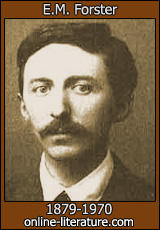
E. M. Forster was an English novelist known for his modernist works. His most famous novel, 'A Passage to India', delves into themes of colonialism and the intricacies of human relationships. Forster's writing is renowned for its wit, irony, and philosophical depth. more
“In the past goodness was always a collective experience. Then goodness became privatised.”
“Religion enabled society to organise itself to debate goodness, just as Greek drama had once done.”
“I'm Gordon Ramsay, for goodness sake: people know I'm volatile.”