“Once one is caught up into the material world not one person in ten thousand finds the time to form literary taste, to examine the validity of philosophic concepts for himself, or to form what, for lack of a better phrase, I might call the wise and tragic sense of life.”
Quote by F. Scott Fitzgerald
Work
Collected Letters of F. Scott Fitzgerald: From the author of The Great Gatsby, The Side of Paradise, Tender Is the Night, The Beautiful and Damned, The Love of the Last Tycoon, The Curious Case of Benjamin Button and many other notable works
The letters provide insight into Fitzgerald's personal life, literary career, and the cultural landscape of his time. more
Author
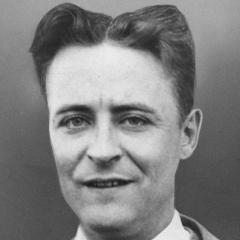
F. Scott Fitzgerald
F. Scott Fitzgerald was an American author of novels and short stories, renowned for his works that encapsulate the Jazz Age and the Roaring Twenties. His most celebrated novel, 'The Great Gatsby,' is a critical and commercial success, reflecting the themes of the American Dream and the decline of the American upper class. more
You May Also Like
Source: The Complete Works of F. Scott Fitzgerald: Novels, Short Stories, Poetry, Articles, Letters, Plays & Screenplays: From the author of The Great Gatsby, The Side of Paradise, Tender Is the Night, The Beautiful and Damned, The Love of the Last Tycoon, The Curious Case of Benjamin Button and many other notable works
Source: De Quincey's Writings: Essays on philosophical writers and other men of letters. 1854-60. [v. 14 stereotyped
Source: De Quincey's works
Source: Confessions of an English Opium-eater: And, Suspiria de Profundis
“The pulpit style of Germany has been always rustically negligent, or bristling with pedantry.”
Source: De Quincey's Writings: Life and manners; from The autobiography of an English opium-eater. 1851
“Reserve is the truest expression of respect towards those who are its objects.”