“The journey of love has been rather a lacerating, if well-worth-it, journey.”
Quote by D. H. Lawrence
Work
Delphi Complete Works of D.H. Lawrence (Illustrated)
The Delphi Complete Works of D.H. Lawrence (Illustrated) is a meticulously curated compilation of the renowned author's literary output. This collection offers readers a comprehensive view of Lawrence's writing, accompanied by illustrative elements that enrich the narrative. It includes novels, short stories, poetry, and essays, showcasing the breadth of Lawrence's literary achievements. more
Author
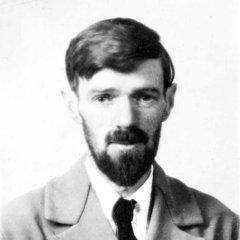
D. H. Lawrence
D. H. Lawrence was an English novelist and poet, born on September 11, 1885, and died on March 2, 1930. He is recognized for his distinctive prose style and his exploration of complex human relationships, particularly in the context of modernity and industrialization. His works often deal with themes of love, sex, and the struggle for individuality. more
You May Also Like
“When I wish I was rich, then I know I am ill.”
Source: Delphi Complete Works of D.H. Lawrence (Illustrated)
“A hopeful disposition is not the sole qualification to be a prophet.”
Source: The Wicked Wit of Winston Churchill
“Apt analogies are among the most formidable weapons of the rhetorician.”
Source: Winston Churchill and Emery Reves: Correspondence, 1937-1964
“Hatred plays the same part in government as acid in chemistry.”
Source: The World Crisis
“I am a sporting man. I always like to give trains and aeroplanes a fair chance of getting away.”
Source: The Wicked Wit of Winston Churchill