Quotessence
Home / Quotes / Quote by Dennis Lehane

Quote by Dennis Lehane

Work

Shutter Island

This novel delves into themes of madness, memory, and the human psyche, as the protagonist navigates a treacherous landscape of secrets and lies. more
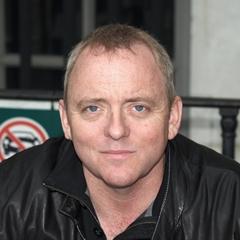
Author

Dennis Lehane
Dennis Lehane

Dennis Lehane, born on August 4, 1965, is a renowned American author known for his crime and suspense novels. His works, often set in Boston, delve into the dark side of human nature and the complexities of society. more

You May Also Like

“In the tenth century BC, the priests of India devised the Brahmodya competition, which would become a model of authentic theological discourse. The object was to find a verbal formula to define the Brahman, the ultimate and inexpressible reality beyond human understanding. The idea was to push language as far as it would go, until participants became aware of the ineffable. The challenger, drawing on his immense erudition, began the process by asking an enigmatic question and his opponents had to reply in a way that was apt but equally inscrutable. The winner was the contestant who reduced the others to silence. In that moment of silence, the Brahman was present - not in the ingenious verbal declarations but in the stunning realisation of the impotence of speech. Nearly all religious traditions have devised their own versions of this exercise. It was not a frustrating experience; the finale can, perhaps, be compared to the moment at the end of the symphony, when there is a full and pregnant beat of silence in the concert hall before the applause begins. The aim of good theology is to help the audience to live for a while in that silence.”

“I was astonished, bewildered. This was America, a country where, whatever its faults, people could speak, write, assemble, demonstrate without fear. It was in the Constitution, the Bill of Rights. We were a democracy... But I knew it wasn't a dream; there was a painful lump on the side of my head... The state and its police were not neutral referees in a society of contending interests. They were on the side of the rich and powerful. Free speech? Try it and the police will be there with their horses, their clubs, their guns, to stop you. From that moment on, I was no longer a liberal, a believer in the self-correcting character of American democracy. I was a radical, believing that something fundamental was wrong in this country--not just the existence of poverty amidst great wealth, not just the horrible treatment of black people, but something rotten at the root. The situation required not just a new president or new laws, but an uprooting of the old order, the introduction of a new kind of society--cooperative, peaceful, egalitarian.”