“In times of difficulty we must not lose sight of our achievements, must see the bright future and must pluck up our courage.”
Quote by Mao Zedong
Work
The Thoughts of Chairman Mao Tsê-tung
This book includes a comprehensive selection of Mao Zedong's speeches and writings, offering insights into his political philosophy and leadership during the Chinese revolution and subsequent era. more
Author
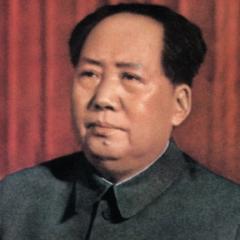
Mao Zedong
Mao Zedong, born on December 26, 1893, in Xiangtan County, Hunan Province, and died on September 9, 1976. He was one of the founders of the Communist Party of China and served as the Chairman of the People's Republic of China. Mao played a significant role in the history of China's revolution and construction, proposing many theories and practices with profound influence. more
You May Also Like
Source: Quotations from Chairman Mao Tse-tung (The Little Red Book) & Other Works
Source: Quotations from Chairman Mao Tse-tung (The Little Red Book) & Other Works
Source: Quotations from Chairman Mao Tse-tung (The Little Red Book) & Other Works
Source: Maps of the Mind
“To have a friendship with God, all I really have to do is have a friendship with my Self.”
Source: Friendship with God: An Uncommon Dialogue
Source: Kahlil Gibran: Masterpieces
Source: Kahlil Gibran: Masterpieces
Source: The Complete Works of C. H. Spurgeon, Volume 29: Sermons 1698-1756