Quotessence
Home / Quotes / Quote by Doris Kearns Goodwin

Quote by Doris Kearns Goodwin

“I've chosen to be a commentator and an analyzer of politics, rather than an actual doer of it. I think it could have gone the other way, but I'm not sorry that it didn't, because this made it easier to be home with my kids and to spend time with them. Writing you can do right in your house. You don't have to go anywhere.”

Quote by Doris Kearns Goodwin

Author
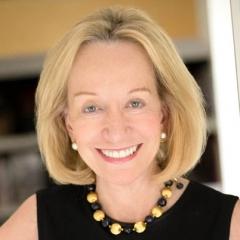
Doris Kearns Goodwin

Doris Kearns Goodwin is an accomplished American historian and author, renowned for her biographies of U.S. presidents. Born on January 4, 1943, she has made significant contributions to the field of history through her in-depth research and engaging storytelling. more

You May Also Like

“I think the most important thing I wanted to say at various times to Franklin and Eleanor Roosevelt was that it seemed so sad to me that - I really believe they loved each other and had a great deal of affection - but because of that early hurt in their marriage, there was a certain kind of distance from then on, until their deaths actually. So at times, I just wanted to push them together and say, "Come on, you guys! I know you love each other. This is crazy!"”

“The White House is such an extraordinary, simple, beautiful place. It's an extraordinary piece of our history, because it is the one thing that binds our country together. We don't have a king obviously, but we have this president, and the fact that almost all of them have lived in the same place, and so much history took place in those rooms. You can't help but feel awe-inspired by being there.”

“When you are an historian, there's probably nothing that matters more than to be recognized by your colleagues in your own profession. I was lucky enough to win the Pulitzer Prize for History. I had to give a talk right after that to some young people. The most important thing to tell them, I think, is that you can't ever know that it's going to turn out that way.”

“You can't start out at 20 in whatever your profession is and say, "I want to win an Olympic medal," or "I want to become president," or "I want to win the Pulitzer Prize." If you love what you're doing, it's sort of a nice thing that happens toward the end of your career, or in the middle of your career. It is not the reason you were doing it. The reason you were doing it is because every day you wake up in the morning and you can't wait to learn something new.”

“What I think I've learned is that you're never going to get it all right, and you can't obsess about having a fact wrong or a date wrong or something like that, as long as you tried as best you could. If you've done the kind of research that you're sure is pretty good, then you just have to have confidence in it, so that nothing is perfect in life. I think that is what the criticism has helped me to understand.”

“What I learned, more than anything, was that you can't have it all balanced perfectly at any one time. When I was young, it was much more balanced toward work. When I had my children, it was much more balanced toward love and family, and I didn't get a lot of work done. So you can't ask of it to be perfectly balanced at any time, but your hope is, before you die, you've somehow had each of those spheres come to life. That's probably more important than success in any one of those spheres alone.”