Quotessence
Home / Quotes / Quote by Clarissa Pinkola Estes

Quote by Clarissa Pinkola Estes

Author
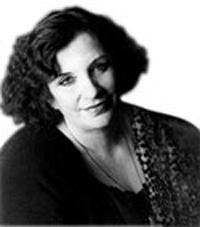
Clarissa Pinkola Estes

Clarissa Pinkola Estes is an American poet born on January 27, 1945. Her works are characterized by a unique feminine perspective and rich mythological stories, which have won the favor of readers. more

You May Also Like

“When women hear those words, an old, old memory is stirred and brought back to life. The memory is of our absolute, undeniable, and irrevocable kinship with the wild feminine, a relationship which may have become ghostly from neglect, buried by over-domestication, outlawed by the surrounding culture, or no longer understood anymore. We may have forgotten her names, we may not answer when she calls ours, but in our bones we know her, we yearn toward her, we know she belongs to us and we to her.”

“Until, modern times when it became mostly a civic task, education was considered a sacred work. It was sacred because it involved the indwelling spirit in the student and because it required an awakened spirit in the teachers. Spirit to spirit, genius to genius, soul to soul go the true lessons that help young people become themselves. Ultimately, each person holds the key to the story trying to be lived from within, but first someone else must help unlock the mystery of one’s life.”

“In many tribal cultures, it was said that if the boys were not initiated into manhood, if they were not shaped by the skills and love of elders, then they would destroy the culture. If the fires that innately burn inside youths are not intentionally and lovingly added to the hearth of community, they will burn down the structures of culture, just to feel the warmth.”

“Death is an unsurpassable limit of human existence... We discover the relationship which is the basis for all feelings of reverence, fear, awe, wonder, sorrow, and deference in the face of something greater and more powerful... Only such a being-unto-death can guarantee the precondition that the Da-sein be able to free itself from its absorption in, its submission and surrender of itself to the things and relationships of everyday living and to return to itself.”

“The prevailing attunement is at any given time the condition of our openness for perceiving and dealing with what we encounter; the pitch at which our existence is vibrating. What we call moods, feelings, affects, emotions, and states are the concrete modes in which the possibilities for being open are fulfilled. They are at the same time the modes in which this perceptive openness can be narrowed, distorted, or closed off.”