“Thought without language, says Lavelle, would not be a purer thought; it would be no more than the intention to think. And his last book offers a theory of expressiveness which makes of expression not "a faithful image of an already realized interior being, but the very means by which it is realized.”
Quote by Maurice Merleau-Ponty
Work
In Praise of Philosophy
This book delves into the essence of philosophy, examining its role in shaping human thought and culture. It offers insights into various philosophical schools of thought and their impact on society, emphasizing the enduring relevance of philosophical inquiry. more
Author
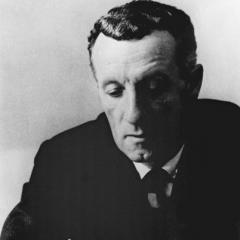
Maurice Merleau-Ponty
Maurice Merleau-Ponty was a French philosopher renowned for his contributions to phenomenology. His seminal work, 'Phenomenology of Perception', delves into the nature of perception and the significance of the body in interpreting the world. Merleau-Ponty's philosophy underscores the centrality of experience and the importance of the lived body. more
You May Also Like
Source: In Praise of Philosophy and Other Essays
Source: In Praise of Philosophy and Other Essays
Source: In Praise of Philosophy and Other Essays
Source: In Praise of Philosophy and Other Essays
“My goal in life is to make people think. If I do that, I've been a success.”
Source: The Greening of America
Source: The Greening of America
Source: The Greening of America
Source: The Greening of America