“De leur meilleur côté tâchons de voir les choses: Vous vous plaignez de voir les rosiers épineux; Moi je me réjouis et rends grâces aux dieux Que les épines aient des roses.”
Quote by Alphonse Karr
Work
A Tour Round My Garden
This book provides a personal perspective on the author's garden, detailing the various plants, flowers, and the process of nurturing them. It explores themes of nature appreciation, gardening techniques, and the tranquility found in a garden setting. more
Author
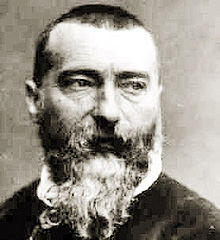
Alphonse Karr
Alphonse Karr, born on November 24, 1808, was a prominent French journalist. His career spanned the 19th century, and he was known for his sharp pen and insightful observations. Karr's work covered a wide range of topics, including politics, society, and literature, and had a profound impact on French society. more
You May Also Like
Source: Still Life
Source: The Resilient Gardener: Food Production and Self-Reliance in Uncertain Times
“Me, I say too much optimism will get you killed.”
Source: Krampus: The Yule Lord
Source: The Flamethrowers
Source: Pronoia Is the Antidote for Paranoia: How the Whole World Is Conspiring to Shower You with Blessings
“I would love to continue to be someone that is positive but also be someone that is objective,”
Source: Moby-Dick or, The Whale
“There are no tragedies in life, only violent coup d’etats on the state of irrational optimism”
“Life is not about waiting for the storm to pass, it's about learning how to dance in the rain.”
Source: The New Stations of the Cross: The Way of the Cross According to Scripture