Quotessence
Home / Quotes / Quote by Rainer Maria Rilke

Quote by Rainer Maria Rilke

Work

Sonnets to Orpheus

Sonnets to Orpheus is a poetic work that delves into the emotional depths of love and the enduring power of human emotion. The author uses the myth of Orpheus, a figure from Greek mythology known for his musical prowess and tragic love story, as a backdrop for a series of sonnets. These sonnets reflect on themes such as unrequited love, the pain of separation, and the quest for redemption. The work is characterized by its rich imagery and profound emotional resonance, offering readers a contemplative journey through the complexities of the human heart. more
Author

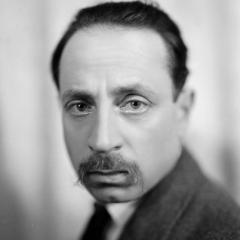
Rainer Maria Rilke
Rainer Maria Rilke

German poet known for his profound poetry and epistolary works. Rainer Maria Rilke's poetry style is unique, often exploring themes such as loneliness, love, and religious faith. more

You May Also Like

“The type medicines that the Prophet SAW and his Companions used to take was nothing like the chemical mixtures that are called Aqrabathayn (pharmacopeia). Rather, the majority of their medicine consisted of only one ingredient. Sometimes, they would take another substance to assist the medicine or make it taste better. This was and still is, the case with most of the medicine used by many cultures such as Arabs, Turks, Indians and nomads.”

“Healing and a reunification with our unblemished Soul, occur by the hand of grace. There is nothing to integrate nor to understand. Wholeness was gifted to us at birth and is never truly taken away. The power of the present, prayerful moment- within the stillness of your open heart, will know when it is time. Open the heart and the Soul to the energy of miracles.”

“Es ist für die Heilung nicht relevant, was wir früher erlebt haben. Wir müssen auch nicht versuchen, uns daran zu erinnern, Das, worunter wir leiden, erschaffen wir uns tagtäglich, in jedem Moment neu. Es handelt sich dabei um einen unbewussten Mechanismus, mit dem wir ständig Distanz zu anderen Menschen, aber vor allem auch zu uns selbst herstellen, indem wir unbewusst glauben, dass von jemandem, der uns nahekommt, grundsätzlich eine Gefahr ausgeht.”