“Deep down within the heart there is a stillness which is healing, a trust in the universal laws which is unwavering, and a strength which is rock-like. But because it is so deep we need both patience and perseverance when digging for it.”
Quote by Paul Brunton
Work
The Notebooks of Paul Brunton
This book is a compilation of Paul Brunton's extensive notebooks, offering a glimpse into his philosophical musings, spiritual explorations, and personal experiences throughout his life. more
Author
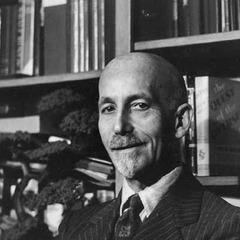
Paul Brunton
Paul Brunton was a British journalist and writer known for his interest in Eastern philosophy and mysticism. His works, such as 'A Search in Secret India' and 'The Quest of the Overself', had a profound impact on the Western world in the mid-20th century. more
You May Also Like
Source: A Stubbornly Persistent Illusion: The Essential Scientific Works of Albert Einstein
Source: The Art of Literature: a Series of Essays in Arthur Schopenhauer...
“Mostly it is loss which teaches us about the worth of things.”
Source: 101 Facts of life
Source: Essays of Schopenhauer
“Cordelia! stay a little. Ha! What is't thou say'st? Her voice was ever soft.”
Source: The Works of Shakespere
Source: The Tragedy of King Lear
Source: The Sisterhood of the Traveling Pants Complete Collection
Source: A Thousand Splendid Suns
“Who are you?" "No one of consequence." "I must know." "Get used to disappointment.”
“I carry a lot of scars. I like the way that sounds. I carry a LOT of scars.”