Quotessence
Home / Quotes / Quote by Mary Oliver

Quote by Mary Oliver

“Wherever I am, the world comes after me. It offers me its busyness. It does not believe that I do not want it. Now I understand why the old poets of China went so far and high into the mountains, then crept into the pale mist.”

Quote by Mary Oliver

Work

Why I Wake Early: New Poems

This book is a compilation of poems that delve into the beauty and complexities of the early morning hours, reflecting on personal experiences and the natural world. more

Author
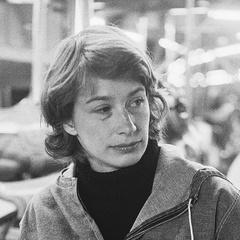
Mary Oliver
Mary Oliver

Mary Oliver is a renowned American poet, born on September 10, 1935. Her poetry is known for its profound depiction of the natural world and delicate insights into life. Oliver's style is simple and direct, which has won her a wide audience. more

You May Also Like

“There are things you can’t reach. But You can reach out to them, and all day long. The wind, the bird flying away. The idea of god. And it can keep you busy as anything else, and happier. I look; morning to night I am never done with looking. Looking I mean not just standing around, but standing around As though with your arms open.”

“schools for love do not exist. everyone assumes that we will know how to love instinctively. despite overwhelming evidence to the contrary, we still accept that the family is the primary school for love. those of us who do not learn how to love among family are expected to experience love in romantic relationships. however this love often eludes us.”

“How will you go about finding that thing the nature of which is totally unknown to you?" (Plato) The things we want are transformative, and we don’t know or only think we know what is on the other side of that transformation. Love, wisdom, grace, inspiration- how do you go about finding these things that are in some ways about extending the boundaries of the self into unknown territory, about becoming someone else?”

“To lose yourself: a voluptuous surrender, lost in your arms, lost to the world, utterly immersed in what is present so that its surroundings fade away. In Benjamin’s terms, to be lost is to be fully present, and to be fully present is to be capable of being in uncertainty and mystery.”