“The nature of light is a subject of no material importance to the concerns of life or to the practice of the arts, but it is in many other respects extremely interesting.”
Quote by Thomas Young
Work
A Course of Lectures on Natural Philosophy and the Mechanical Arts: In Two Volumes
A Course of Lectures on Natural Philosophy and the Mechanical Arts is a scholarly work that delves into the principles of natural philosophy and the application of mechanical arts. The two-volume set is a compilation of lectures, offering in-depth analysis and exploration of various scientific concepts and their practical applications. The book is a testament to the intellectual pursuits of the 19th century and serves as a historical document of scientific thought. more
Author
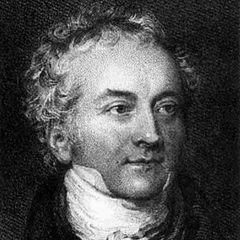
Thomas Young
Thomas Young was an English scientist renowned for his contributions to optics, physics, and physiology. He is best known for his proposal of the wave theory of light, the double-slit experiment, and his theories on color vision. more
You May Also Like
“Never ever give up, even, and especially, when there is no chance of winning.”
“The pure culture is the foundation for all research on infectious disease.”
Source: Nature's Miracles: Familiar Talks on Science
Source: Dangerous Thoughts