Quotessence
Home / Quotes / Quote by Lord Chesterfield

Quote by Lord Chesterfield

“Keep carefully not of all scrapes and quarrels. They lower a character extremely; and are particularly dangerous in France, wherea man is dishonoured by not resenting an affront, and utterly ruined by resenting it.”

Quote by Lord Chesterfield

Author
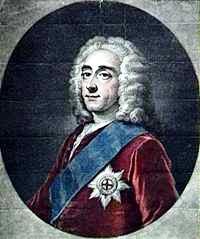
Lord Chesterfield
Lord Chesterfield

British statesman known for his epistolary works, which had a profound impact on 18th-century British society. more

You May Also Like

“Were you to converse with a king, you ought to be as easy and unembarrassed as with your own valet-de chambre; but yet every look,word, and action should imply the utmost respect.... You must wait till you are spoken to; you must receive, not give, the subject of conversation, and you must even take care that the given subject of such conversation do not lead you into any impropriety.”

“As kings are begotten and born like other men, it is to be presumed that they are of the human species; and perhaps, had they thesame education, they might prove like other men. But, flattered from their cradles, their hearts are corrupted, and their heads are turned, so that they seem to be a species by themselves.... Flattery cannot be too strong for them; drunk with it from their infancy, like old drinkers, they require dreams.”

“There is nothing so necessary, but at the same time there is nothing more difficult (I know it by experience) for you young fellows, than to know how to behave yourselves prudently towards those whom you do not like. Your passions are warm, and your heads are light; you hate all those who oppose your views, either of ambition or love; and a rival, in either, is almost a synonymous term for any enemy.”

“Armies, though always the supporters and tools of absolute power for the time being, are always the destroyers of it too; by frequently changing the hands in which they think proper to lodge it.”

“Without any extraordinary effort of genius, I have discovered that nature was the same three thousand years ago as at present; that men were but men then as well as now; that modes and customs vary often, but that human nature is always the same. And I can no more suppose, that men were better, braver, or wiser, fifteen hundred or three thousand years ago, than I can suppose that the animals or vegetables were better than they are now.”