“It is an encouraging observation that no good measure was ever proposed which, if duly pursued, failed to prevail in the end.”
Quote by Thomas Jefferson
Work
The Works of Thomas Jefferson: Correspondence and Papers, 1808-1816
The book is a compilation of letters, memos, and documents written by Thomas Jefferson, offering insights into his political strategies, personal beliefs, and the broader historical context of the early 19th century. more
Author
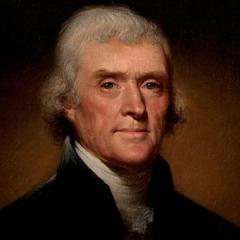
Thomas Jefferson
Thomas Jefferson was the third President of the United States, a distinguished politician, philosopher, architect, and scientist. He was born on April 13, 1743, and died on July 4, 1826. Jefferson advocated for democracy and freedom in politics and was one of the main authors of the Declaration of Independence. His political ideas had a profound impact on the founding and development of the United States. more
You May Also Like
“Those who bear equally the burthens of Government should equally participate of its benefits.”
Source: The Papers of Thomas Jefferson
Source: The Essential Jefferson
“We will never have peace without friendship around the world.”
Source: My Day: The Best of Eleanor Roosevelt's Acclaimed Newspaper Columns, 1936-1962
Source: Eleanor Roosevelt's My Day: Her Acclaimed Columns, 1936-1945
Source: The Works of Benjamin Franklin; Containing Several Political and Historical Tracts Not Included in Any Former Edition, and Many Letters, Official and Private, Not Hitherto Published; with Notes and a Life of the Author
Source: Poor Richard Day by Day
“The ancients tell us what is best; but we must learn of the moderns what is fittest.”
Source: The Way to Wealth and Poor Richard's Almanac
Source: Poor Richard Day by Day