Quotessence
Home / Quotes / Quote by Richard Linklater

Quote by Richard Linklater

“If the animators could hide something so secretly that I could watch it numerous times, both on the computer and on the screen, and not pick up on it, then it deserves to be in the movie. But if they had more overt things, I'd often tell them to cut it out. In general, as long as they captured the spirit of the character, then they're fine. But sometimes it took a while, and we had to replace a lot of animators.”

Quote by Richard Linklater

Author
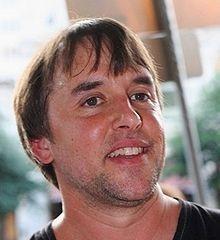
Richard Linklater
Richard Linklater

Richard Linklater, born on July 30, 1960, is an acclaimed American film director known for his unique storytelling style and profound insights into the growth of teenagers. His films often explore themes of personal growth, family relationships, and social change. more

You May Also Like

“I don't think all films should necessarily look like they do on digital video. I think it cheats the audience, at some point. If you try to make an epic and you shoot it digitally, that doesn't make much sense. I think there's a certain kind of film that could be a "digital film." But it shouldn't be interchangeable with other films. It should be something more than just a capture medium. It should be a different form altogether, something new.”

“All I've learned is that you need the studio system sometimes, if your budget is a certain size, and other films you can do independently. When I think of a studio, I generally think of distribution. Since I'm a director, I have a similar creative experience on every film I do, because I can control that. But then it's a different film, I think, as it reaches the public, depending on the way it's marketed. I don't know. I haven't learned much of anything. Sometimes you need them, sometimes you don't. Sometimes they want you, most of the time they don't.”

“I have a lot of films that I haven't gotten made, and that continues to trouble me. But someday, some way or another, I think I will. It's all about timing. There's a moment when you're hot and studios will make your next film, and then there's a moment when you're really cold, and they couldn't care less what you want to do next. That's when you have to recede and make lower-budgeted films.”

“I think casting is really important. Finding the right sensibility for the right part is an art in itself. If you're off there, you make it harder on yourself as a director. And it's fun to work that out with the actors. I don't think there's any magic to directing actors. It's very instinctual. Working with actors is really one of my favorite creative moments of the whole process, and the most fun, because it's collaborative. I spend a lot of time rehearsing. I'm very rehearsal-oriented, probably because I have some background in theater. I like knowing what will work beforehand.”

“Characters work really well when they're reflective of the times that they're operating in. To keep these characters static - like Superman was invented in the '30s, Wonder Woman in the '40s - if they were still operating under those kinds of constraints, they'd die. These pop cultures, just like Greek myths, they have to reflect the time their stories are being told. That's what makes them relevant.”

“In my life, I didn't get into comedy to be - I had no business model. All I wanted to do was, basically, finish becoming myself. And you stand in front of people and be seen and heard in this format. I thought it was the most practical format for me to express whatever it was I was going through. Whatever my ideas were in my evolving philosophy about life. I obviously don't sell out theaters. I'm not a household name. I'm not incredibly consistent in terms of doing the same act over and over again, and I'm definitely working out a lot of my existential issues onstage.”

“I'm interested in the fact that comics are people who are oddly courageous in their desire and their commitment to sacrificing any sense of normalcy in their lives, any sense of security, and most of them are oddly unique individuals. Let's have a broader conversation with people that have spent their last however-many-years thinking about their lives. I mean, they're philosophers. They're poets. They're people who are on the outside looking in at the world through a different set of values.”