“We must frankly confess, then, using our empirical common sense and ordinary practical prejudices, that in the world that actually is, the virtues of sympathy, charity, and non-resistance may be, and often have been, manifested in excess. ... You will agree to this in general, for in spite of the Gospel, in spite of Quakerism, in spite of Tolstoi, you believe in fighting fire with fire, in shooting down usurpers, locking up thieves, and freezing out vagabonds and swindlers.”
Quote by William James
Work
The Varieties of Religious Experience
This seminal work delves into the profound and varied ways individuals have experienced the divine, the sacred, and the transcendent, offering insights into the nature of religion and spirituality. more
Author
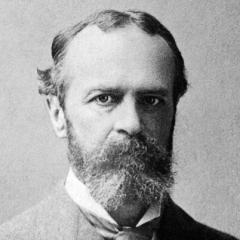
William James
William James, born on January 11, 1842, and died on August 26, 1910, was an influential American philosopher, psychologist, and writer. He is considered one of the founders of functionalism in psychology and has had a profound impact on the fields of psychology, philosophy, and religion. more
You May Also Like
Source: Writings, 1902-1910
Source: The Varieties of Religious Experience: A Study in Human Nature
Source: William James: Essays and Lectures
“Hogamus, higamous Man is polygamous Higamus, hogamous Woman monogamous.”
“I think everything is pretty well preordained - even your mistakes.”
Source: The Principles of Psychology
Source: Essays in Popular Philosophy: Top Essays
Source: James and Dewey on Belief and Experience
Source: Essays in Religion and Morality