“It is now clear to me that there was no difference between our behavior and that of people in a madhouse; but at the time I only dimly suspected this and, like all madmen, I thought everyone was mad except myself.”
Quote by Leo Tolstoy
Work
A Confession and Other Religious Writings
This book compiles a selection of religious-themed essays and confessional pieces, exploring various spiritual and religious themes. more
Author
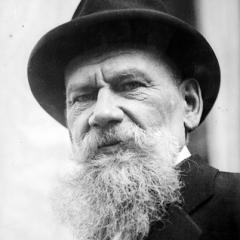
Leo Tolstoy
Leo Tolstoy was a Russian writer and thinker, a prominent representative of 19th-century Russian literature. His works deeply revealed social contradictions and human nature, and had a profound impact on the world. more
You May Also Like
Source: The Abyss Above: Philosophy and Poetic Madness in Plato, Hölderlin, and Nietzsche
“Madness is the glory of this life”
Source: Timon of Athens
“A little madness is good for the soul.”
Source: A Sanctuary for Soulden
Source: The Coldest Girl in Coldtown
“To be in love with pain-to pine after aching-is not that a wicked madness?”
Source: The House of Sounds
“Has your discerning mind just served to drive you mad?”
Source: Hojoki: Visions of a Torn World
“Madness in method, that is genius.”
Source: God Emperor of Dune