“All men are almost led to believe not of proof, but by attraction. This way is base, ignoble, and irrelevant; every one therefore disavows it. Each one professes to believe and even to love nothing but what he knows to be worthy of belief and love.”
Quote by Blaise Pascal
Work
Thoughts, Letters & Minor Works
This volume includes a selection of the author's most significant thoughts, letters, and shorter works, showcasing their depth of insight and intellectual rigor. The collection offers a glimpse into the author's mind, exploring various themes and ideas through a mix of personal and public writings. more
Author
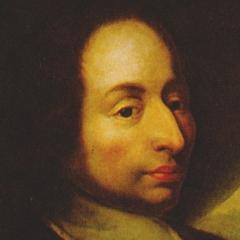
Blaise Pascal
Blaise Pascal was a French mathematician, physicist, philosopher, and theologian. He was born on June 19, 1623, and died on August 19, 1662. Pascal's contributions to mathematics were particularly significant, with groundbreaking work in probability theory, analytical geometry, and early calculus. more
You May Also Like
Source: Thoughts
Source: The Thoughts, Letters and Opuscules of Blaise Pascal
Source: The Thoughts, Letters and Opuscules of Blaise Pascal
Source: Blaise Pascal: Thoughts, Letters, and Minor Works
“Nature, which alone is good, is wholly familiar and common.”
Source: The Thoughts, Letters and Opuscules of Blaise Pascal
Source: Thoughts, Letters & Minor Works
Source: The Thoughts, Letters and Opuscules of Blaise Pascal
Source: The Thoughts, Letters and Opuscules of Blaise Pascal
Source: Thoughts, Letters & Minor Works