“Hath any wronged thee? be bravely revenged; slight it, and the work is begun; forgive it, and it is finished; he is below himself that is not above an injury.”
Quote by Francis Quarles
Work
Enchiridion Institutions, Essays and Maxims, political, moral & divine. Divided into four centuries. By Francis Quarles
Enchiridion Institutions, Essays and Maxims is a compilation of works by Francis Quarles, encompassing political, moral, and divine themes. The book is divided into four centuries, offering insights into the historical and cultural context of Quarles' writings. more
Author
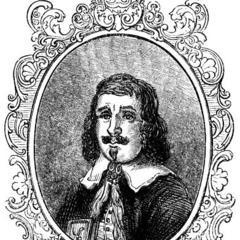
Francis Quarles
Francis Quarles, a renowned English poet, was born on May 8, 1592, and died on September 8, 1644. His poetry focused on religious and moral themes, deeply influenced by Puritan thought. more
You May Also Like
Source: Enchiridon: containing institutions divine, moral
Source: Enchiridion Institutions, Essays and Maxims, political, moral & divine. Divided into four centuries. By Francis Quarles
Source: Enchiridion Institutions, Essays and Maxims, political, moral & divine. Divided into four centuries. By Francis Quarles
Source: Enchiridion: containing institutions, divine ... moral
Source: Enchiridion Institutions, Essays and Maxims, political, moral & divine. Divided into four centuries. By Francis Quarles
Source: Enchiridion Institutions, Essays and Maxims, political, moral & divine. Divided into four centuries. By Francis Quarles
“No labor is hard, no time is long, wherein the glory of eternity is the mark we level at.”
Source: Emblems divine and moral: together with hieroglyphics of the life of man