“In Jesus, God wills to be true God not only in the height but also in the depth - in the depth of human creatureliness, sinfulness and mortality.”
Quote by Karl Barth
Work
Church Dogmatics Study Edition 21: The Doctrine of Reconciliation IV.1 § 57-59
The Church Dogmatics Study Edition 21: The Doctrine of Reconciliation IV.1 § 57-59 is a scholarly work that examines the theological doctrine of reconciliation in detail. It is part of a comprehensive series that explores various theological themes. This specific volume covers sections 57 to 59, which likely provide in-depth analysis and discussion on the subject matter within the broader context of the doctrine of reconciliation. more
Author
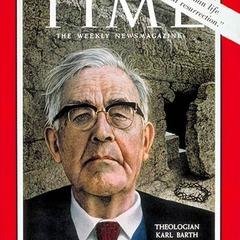
Karl Barth
Karl Barth was a Swiss theologian born on May 10, 1886, and died on December 10, 1968. He is considered one of the most influential theologians of the 20th century, known for his critical theological method and profound biblical exegesis. more
You May Also Like
“Modesty is the only sure bait when you angle for praise.”
Source: The Works of Lord Chesterfield: Including His Letters to His Son, Etc : to which is Prefixed, an Original Life of the Author
Source: Suggestions for Thought by Florence Nightingale: Selections and Commentaries
Source: The Finest of the Wheat, vol 1 - Hardcover: Selected Excerpts from the Published Works of Watchman Nee