“It's a rare gift, to know where you need to be, before you've been to all the places you don't need to be.”
Book:Tales from Earthsea
“It's a rare gift, to know where you need to be, before you've been to all the places you don't need to be.”
This book is a compilation of interconnected tales that delve into the mystical world of Earthsea, offering readers a glimpse into the lives of its inhabitants and the intricate web of magic that governs their society. The stories are known for their poetic prose and philosophical depth, reflecting the author's exploration of themes such as the nature of good and evil, the quest for identity, and the cycle of life and death. more
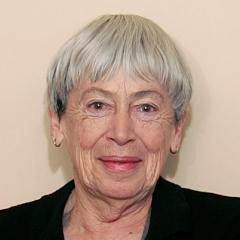
Ursula K. Le Guin, born on October 21, 1929, is an esteemed American author of science fiction and fantasy. Known for her profound philosophical insights, rich imagination, and unique narrative style, Le Guin's works have won numerous literary awards and have had a significant impact on science fiction and fantasy literature. Her most famous works include the 'Earthsea' series and 'The Left Hand of Darkness', which have won her awards such as the Nebula and Hugo Awards, and she has also received the National Book Award for lifetime achievement for her contributions to literature. more
“What the world requires of the Christians is that they should continue to be Christians.”
“love is a deeper season than reason; my sweet one”