Quotessence
Home / Quotes / Quote by Paul McCartney

Quote by Paul McCartney

“I think it's something to do with the structural quality of the songs. We weren't actually trying to make stuff that was cool, or of the moment, although a lot of it was. We were trying to make stuff that was good enough to stick around and lo and behold, it has.”

Quote by Paul McCartney

Author
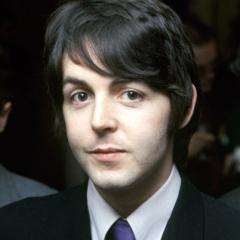
Paul McCartney
Paul McCartney

Paul McCartney, born on June 18, 1942, is a renowned musician, singer, and songwriter from Liverpool, England. He is a founding member of The Beatles, a band that had a profound impact on popular music. McCartney is known for his unique musical talent, versatile performance skills, and prolific songwriting. more

You May Also Like

“I think the most important thing about playing is to walk out with confidence, look the people right in the eye and say 'Here I am,' and go and do your thing. As soon as they know you're confident, they're confident. As long as you adjust to them you're not in trouble. You should eyeball them, find out what they want, and give it to them. They didn't pay to come out and look at the tapestries.”

“Most people/musicians hear things differently and what might please one might not please another. One man's meat is another man's poison. Don't be afraid to dig, the most important people/musicians in my life always have. If you do decide to dig, don't always expect to come up with a clean face. It's o.k. The most important lessons to me have been learned by trial and error. All I'm trying to say is "try to find yourself," as I have.”

“As an improviser you need to experience the moment- and that includes everything in the moment. Observe the people around you-the bandleader, the bartender-what they wear, how they deal with people, the simple continuity of their presence. As you do that you'll see how you affect them , and you'll play and act accordingly. You need to study the reality of the moment, and that is very rarely about studying modes and intervals.”

“...I do like the low frequencies. It's from years and years of observing audiences when they hear a lower frequency coming from an instrument it tends to pull them in. You have to listen a little more attentively. High frequency instruments hit you so hard, after a while the ear has a tendency to want to shut down. And that's what happens. I've been able to observe very carefully how people tend to get very tired of listening to high frequencies a lot.”