“Such I hold to be the genuine use of Gunpowder: that it makes all men tall.”
Book:Sartor Resartus
“Such I hold to be the genuine use of Gunpowder: that it makes all men tall.”
Sartor Resartus is a work that combines elements of satire, fantasy, and philosophical discourse. The novel delves into complex ideas about the nature of self and the role of society in shaping individual identity. The protagonist, Teufelsdröckh, undergoes a transformation from a conventional tailor to a reformed philosopher, reflecting on the human condition and the search for meaning. more
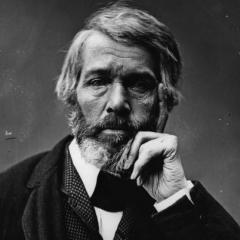
Thomas Carlyle, born on December 4, 1795, and died on February 5, 1881, was a prominent Scottish philosopher, historian, and writer. His works are known for their profound social criticism and unique literary style, which had a significant impact on 19th-century British literature and thought. more
“Tim Stoutheart was afraid, too,” I said. “But he went on. I expect you to do the same.”
“Best way to clear the air is to have it all out in the open.”
“I know of no better or quicker way to step into my greatness than to step out of what's familiar.”