“And now when I sway to a fitful wind, alone and listing, I will think, maple key. When I see a photograph of earth from space, the planet so startlingly painterly and hung, I will think, maple key. When I shake your hand or meet your eyes I will think, two maple keys. If I am a maple key falling, at least I can twirl.”
Quote by Annie Dillard
Work
PILGRIM AT TINKER CREEK
Pilgrim at Tinker Creek is a non-fiction book that delves into the intricate details of the natural environment surrounding the creek, offering a blend of ecological research and personal reflection. The author's detailed observations of the creek's ecosystem are woven together with philosophical and spiritual insights, creating a unique narrative that celebrates the beauty and complexity of the natural world. more
Author
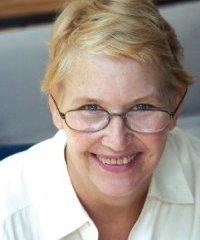
Annie Dillard
Annie Dillard is an American author known for her unique writing style and profound observations of nature. Born on April 30, 1945, she has written several notable works, including 'Pilgrim at Tinker Creek' and 'Under the Sun'. more
You May Also Like
“Yes, purple is different, but different's not bad!”
Source: Tyler's Purple Arm
“Verweile doch! Du bist so Schön!”
Source: Faust, First Part
Source: Like a Charm
Source: The Republic
Source: A Study in Drowning
Source: Sensuous Knowledge: A Black Feminist Approach for Everyone
Source: The Doors of Perception & Heaven and Hell
“What but design of darkness to appall?— If design govern in a thing so small.”
Source: A Further Range