“Our culture, therefore, must not omit the arming of the man. Let him hear in season, that he is born into the state of war, and that the commonwealth and his own well-being require that he should not go dancing in the weeds of peace, but warned, self- collected, and neither defying nor dreading the thunder, let him take both reputation and life in his hand, and, with perfect urbanity, dare the gibbet and the mob by the absolute truth of his speech, and the rectitude of his behaviour.”
Quote by Ralph Waldo Emerson
Work
Emerson's Essays: Top Essays
Emerson's Essays: Top Essays is a compilation of key writings by Ralph Waldo Emerson, a prominent figure in American transcendentalism. The essays within this collection reflect his thoughts on nature, self-reliance, and the pursuit of truth. more
Author
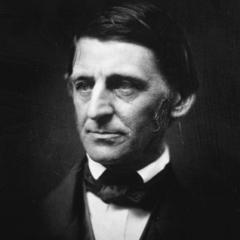
Ralph Waldo Emerson
American essayist, poet, and philosopher. Born on May 25, 1803, and died on April 27, 1882. Known for his transcendentalist philosophy, his works have had a profound impact on literature and the intellectual world. more
You May Also Like
Source: Delphi Complete Works of Ralph Waldo Emerson (Illustrated)
Source: Society and Solitude: Twelve Chapters
Source: The Complete Works of Ralph Waldo Emerson: Comprising His Essays, Lectures, Poems, and Orations
“The stars awaken a certain reverence, because though always present, they are inaccessible.”
Source: Essays and Lectures
Source: The Collected Works of Ralph Waldo Emerson: Society and solitude
Source: The Prose Works of Ralph Waldo Emerson
Source: Self-Reliance, the Over-Soul, and Other Essays
“Be a gift and a benediction.”
Source: Essays and Lectures