Quotessence
Home / Quotes / Quote by Raymond Carver

Quote by Raymond Carver

“Then I said something. I said, Suppose, just suppose, nothing had ever happened. Suppose this was for the first time. Just suppose. It doesn't hurt to suppose. Say none of the other had ever happened. You know what I mean? Then what? I said.”

Quote by Raymond Carver

Work

Cathedral

Set in a modern-day American city, Cathedral follows the story of a deaf man who forms an unexpected bond with a priest as they both navigate the complexities of their lives and the city around them. The novel delves into the transformative power of human connection and the enduring beauty of architecture. more

Author

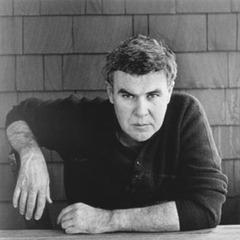
Raymond Carver
Raymond Carver

Raymond Carver was an influential American short story writer, born on May 25, 1938, and died on August 2, 1988. Known for his concise and straightforward style, his works have won the hearts of readers worldwide. more

You May Also Like

“I've crossed some kind of invisible line. I feel as if I've come to a place I never thought I'd have to come to. And I don't know how I got here. It's a strange place. It's a place where a little harmless dreaming and then some sleepy, early-morning talk has led me into considerations of death and annihilation.”

“I loved you so much once. I did. More than anything in the whole wide world. Imagine that. What a laugh that is now. Can you believe it? We were so intimate once upon a time I can't believe it now. The memory of being that intimate with somebody. We were so intimate I could puke. I can't imagine ever being that intimate with somebody else. I haven't been.”

“Do you remember what Darwin says about music? He claims that the power of producing and appreciating it existed among the human race long before the power of speech was arrived at. Perhaps that is why we are so subtly influenced by it. There are vague memories in our souls of those misty centuries when the world was in its childhood.' That's a rather broad idea,' I remarked. One's ideas must be as broad as Nature if they are to interpret Nature,' he answered.”