“If instead policy makers and program managers participate in an interdisciplinary assessment team, make informal visits to local families and have in-depth conversations with local providers and health authorities, the real needs and complex challenges of organizing good reproductive health services become apparent.The first country that implemented this participatory program of assessment, research and policy development was Brazil. I was one of the outsiders who provided support to the initiative.”
Quote by Ruth Simmons
Author
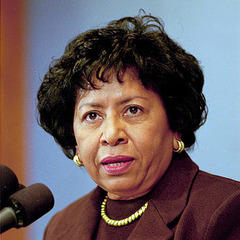
Ruth Simmons
Ruth Simmons (born July 3, 1945) is a distinguished American academic and educator, best known as the first African American woman to lead an Ivy League institution as president of Brown University. Born into poverty in Texas, she overcame racial and economic barriers through education, earning degrees from Dillard University and Harvard University. Simmons served as president of Smith College and provost of Princeton University before leading Brown from 2001 to 2012. She is a prominent advocate for diversity, equity, and inclusion in higher education, and her leadership has been widely recognized with numerous honorary degrees and awards. Her memoir, 'Up Home: One Girl's Journey,' was published in 2023. more