“Step back in time; look closely at the child in the very arms of his mother; see the external world reflected for the first time in the yet unclear mirror of his understanding; study the first examples which strike his eyes; listen to the first words which arouse within him the slumbering power of thought; watch the first struggles which he has to undergo; only then will you comprehend the source of his prejudices, the habits, and the passions which are to rule his life. The entire man, so to speak, comes fully formed in the wrappings of his cradle.”
Quote by Alexis de Tocqueville
Author
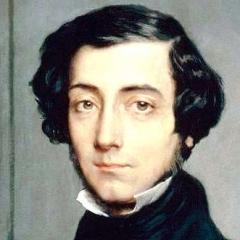
Alexis de Tocqueville
Alexis de Tocqueville was a French historian and political theorist renowned for his seminal work 'Democracy in America'. He embarked on a journey to the United States in the 1830s to examine its democratic institutions, and his observations were compiled into a two-volume book that remains a cornerstone in the study of American democracy and political science. more
You May Also Like
Source: Democracy in America
Source: Democracy in America
Source: Democracy in America: The Complete and Unabridged Volumes I and II
Source: Democracy in America: Book One
Source: Memoir, Letters, and Remains of Alexis de Tocqueville
Source: Democracy in America
Source: Democracy in America
Source: Democracy in America