Quotessence
Home / Quotes / Quote by Amanda Ripley

Quote by Amanda Ripley

“The health of your family or your office or your city directly affects the health of it after. The better you are at handling high-stress situations with little information, those skills lead to resilience and the ability to recover afterward.”

Quote by Amanda Ripley

Author
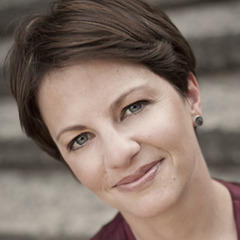
Amanda Ripley
Amanda Ripley

Amanda Ripley is a respected journalist specializing in investigative and narrative journalism. She has written extensively on topics such as education, security, and technology, earning recognition for her insightful reporting and engaging storytelling. Her work has been honored with numerous awards and has shaped public discourse on key issues. more

You May Also Like

“Well, there isn't any one profile of a survivor, but there are profiles. Depending on the disaster you have certain advantages and disadvantages just based on who you are. Women are more likely to survive hurricanes. In hurricanes the deaths come from floods and people driving through high water. That's much more likely to be a man who dies that way.”

“Women are far more likely to follow orders to evacuate, especially women with children. At the same time, women were much more likely to die during the South Asian tsunami. In some villages it was 3 to 1. And that was party because of the average strength it takes to hold onto something. Also it was cultural; women were less likely to know how to swim, as were children. So much of this is based on how we develop our own survival skills before something goes wrong: Even if nothing goes wrong, it might be good to know how to swim.”

“You could reduce people's fears if you gave them some useful information before things went wrong. It's really important to create a sense of confidence in the public in their own abilities before a disaster because they're the only ones who are going to be there. No one's going to help you for at least 24 to 72 hours. So it would be good to know more about it.”

“The one thread that was most surprising and most consistent was the lack of fear that people felt at the worst moment. They felt a lot of fear in early stages, when they're just realizing what's happening. But then things really seemed to be at their peak of terror, the fear went away. You can imagine why that's useful. At that moment your brain needs to focus all its attention on surviving, so people will feel a sense of calm as their brain tries to sort out a plan.”

“People help way more than we expect, way more than makes sense. But when you talk to people called heroes, they often say they did it for themselves. In one case, a hero said that the cost of not doing it is so great, the sense of shame, when he knew that he was strong enough, that the fear of not doing anything was more frightening than the fear of dying.”