“There are so many charlatans in the world of education. They teach for a couple of years, come up with a few clever slogans, build their websites, and hit the lecture circuit. In this fast-food-society, simple solutions to complex problems are embraced far too often. We can do better. I hope that people who read this book realize that true excellence takes sacrifice, mistakes, and enormous amounts of effort. After all, there are no shortcuts.”
Quote by Rafe Esquith
Work
Teach Like Your Hair's on Fire: The Methods and Madness Inside Room 56
This book delves into the author's unique approach to teaching, offering insights into the methods and strategies used in their classroom, Room 56. more
Author
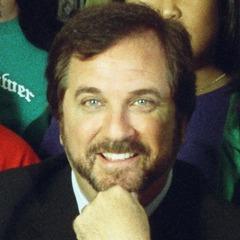
Rafe Esquith
Rafe Esquith is a renowned American teacher, born on June 2, 1954. He teaches fifth grade at霍奇斯中学 in Los Angeles, known for his unique teaching methods and profound impact on his students. more
You May Also Like
Source: Seven Pillars of Wisdom: A Triumph
“Just as a woman's eyes are the mirrors of her soul, her shapely bottom is her seat of learning.”
Source: The Imitation of Christ
Source: Discipline: The Glad Surrender
Source: The End of Sorrow
Source: Herzog
Source: Islam and Modernism
Source: Then Everything Changed: Stunning Alternate Histories of American Politics: JFK, RFK, Carter, Ford, Reagan
Source: Wicked Becomes You