Quotessence
Home / Quotes / Quote by Paul Krassner

Quote by Paul Krassner

Author

Paul Krassner
Paul Krassner

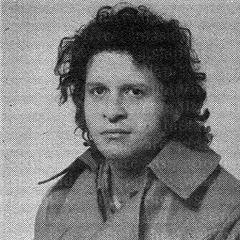
Paul Krassner (born April 9, 1932) is an American author, journalist, and satirist. He was a founding editor of The Realist, a pioneering satirical magazine known for its political commentary and investigative journalism. Active in the 1960s counterculture movement, Krassner became known for his work on political conspiracies, the JFK assassination, and UFOs. His blend of humor and serious investigation has influenced generations of writers and journalists. more

You May Also Like

“We shall, as we ripen in grace, have greater sweetness towards our fellow Christians. Bitter-spirited Christians may know a great deal, but they are immature. Those who are quick to censure may be very acute in judgment, but they are as yet very immature in heart. He who grows in grace remembers that he is but dust, and he therefore does not expect his fellow Christians to be anything more; he overlooks ten thousand of their faults, because he knows his God overlooks twenty thousand in his own case. He does not expect perfection in the creature, and, therefore, he is not disappointed when he does not find it. ... I know we who are young beginners in grace think ourselves qualified to reform the whole Christian church. We drag her before us, and condemn her straightway; but when our virtues become more mature, I trust we shall not be more tolerant of evil, but we shall be more tolerant of infirmity, more hopeful for the people of God, and certainly less arrogant in our criticisms.”

“How quickly self rises to the surface, and the instrument is ready to believe he is something more than an instrument! How sadly easy it is to make of the very service God entrusts us with a pedestal on which to display ourselves. But God will not share His glory with another, and therefore does He "hide" those who may be tempted to take some of it unto themselves. It is only by retiring from public view and getting alone with God that we can learn our own nothingness.”