“Lydgate certainly had good reason to reflect on the service his practice did him in counteracting his personal cares. He had no longer free energy enough for spontaneous research and speculative thinking, but by the bedside of patients, the direct external calls on his judgment and sympathies brought the added impulse needed to draw him out of himself. It was not simply that beneficent harness of routine which enables silly men to live respectably and unhappy men to live calmly — it was a perpetual claim on the immediate fresh application of thought, and on the consideration of another’s need and trial.”
Quote by George Eliot
Work
Middlemarch a Study in Provincial Life, Vol. 2
Browse quotes and source details for this work. more
Author
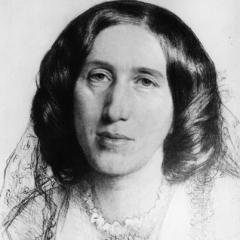
George Eliot
George Eliot, born Mary Ann Evans, was a renowned 19th-century British novelist. Her works are known for their profound psychological insights and critical exploration of social issues. With her unique narrative techniques and rich emotional expression, she has had a profound impact on literature. more
You May Also Like
Source: Middlemarch
“Wild with laughter, Twelfth Night is nevertheless almost always on the edge of violence.”
Source: Shakespeare: The Invention of the Human
Source: Shakespeare: The Invention of the Human
Source: Contested Will: Who Wrote Shakespeare?
Source: On Seeming to Presume
“Ω! έχει πολλή πέραση ένα ψέμα με αλαφρύν όρκο και ένα αστείο με σοβαρό φρύδι.”
Source: Dear Son: An Imaginary Letter from a Loving Dad