“God is gone up on high with a triumphant noise.”
Quote by Charles Wesley
Work
The Wesleyan Psalter: a poetical version of nearly the whole Book of Psalms
This book presents a poetic translation of the Psalms, offering a rendition that is reflective of the religious and spiritual traditions associated with the Wesleyan denomination. It includes a substantial portion of the Psalms, translated into verse form, which is intended for use in worship and contemplation. more
Author
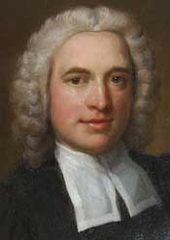
Charles Wesley
Charles Wesley, born on December 18, 1707, and died on March 29, 1788, was a prominent English poet and theologian. He was one of the founders of the Methodist Church and is renowned for his poetry, which has had a profound impact on Christian music. more
You May Also Like
“The person who bears and suffers evils with meekness and silence is the sum of a Christian man.”
“Keep us little and unknown, prized and loved by God alone.”
Source: Wesley's Hymns and the Methodist Sunday-School Hymn-Book
“Peace on earth, and mercy mild God and sinners reconciled.”
“Let us unite the two so long divided, knowledge and vital piety.”
“The wisdom coming from above, the faith that sweetly works by love.”
Source: Representative Verse of Charles Wesley