“Don't forget that I cannot see myself, that my role is limited to being the one who looks in the mirror.”
Quote by Jacques Rigaut
Work
Lord Patchogue & Other Texts
This book is a compilation of various narratives, including tales and other written works that revolve around the central figure of Lord Patchogue. The collection may encompass a range of genres and styles, showcasing the versatility of the character across different literary forms. more
Author
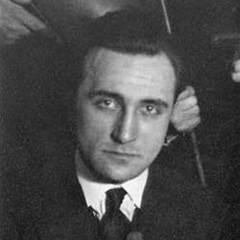
Jacques Rigaut
Jacques Rigaut was a French poet born on December 30, 1898, and died on November 9, 1929. His poetry is known for its unique style and profound emotion, and is considered one of the representatives of French Symbolist literature. more
You May Also Like
“But in real life, happily-ever-after is just the beginning. It's where life starts.”
Source: If There Be Dragons
“Whether a person is physically in front of you or not, the love remains.”
Source: The Friday Night Knitting Club
“I know what I have given you, I do not know what you have received.”
Source: Everything Is Illuminated
“Every man's Reason is sufficient for his guidance, if used.”
Source: The Journals and Miscellaneous Notebooks of Ralph Waldo Emerson
Source: Writings on Art and Literature