“The finest friendships are between those who can do without each other.”
Quote by Elbert Hubbard
Work
Love, Life & Work: Being a Book of Opinions Reasonably Good-Natured Concerning How to Attain the Highest Happiness for One's Self with the Least Possible Harm to Others
This book presents a series of viewpoints on the balance between personal fulfillment and ethical considerations in daily life. It explores strategies for maximizing happiness while maintaining a sense of responsibility towards others. more
Author
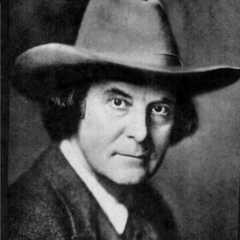
Elbert Hubbard
Elbert Hubbard was a prominent writer, publisher, and philosopher. He is best known for his magazine 'The Roycroft Studio' and his autobiography 'My Life and Work'. Hubbard's works emphasized the importance of craftsmanship, simple living, and self-improvement. more
You May Also Like
Source: The Autobiography ... with Reminiscences of Friends and Contemporaries
Source: The works of Washington Irving
“Reprove your friend in secret and praise him openly.”
Source: Notebooks
Source: The Optimistic Life
“In friendship similarity of character has more weight than kinship.”
Source: The Select Works of William Penn: In Five Volumes. ...