“The smallest bird cannot light upon the greatest tree without sending a shock to its most distant fiber.”
Quote by Lew Wallace
Work
LEW WALLACE Premium Collection: Historical Novels, Poetry & Plays (Illustrated): Ben-Hur, The Fair God, The Prince of India, The Wooing of Malkatoon & Commodus
The Lew Wallace Premium Collection is a curated assortment of works that showcase the author's versatility in writing historical fiction, poetry, and dramatic plays. It includes the classic novel 'Ben-Hur', which is a tale of revenge and romance set in ancient Rome. The collection also features 'The Fair God', a story of religious conflict and personal struggle, and 'The Prince of India', a narrative of adventure and exploration in the Indian subcontinent. Additionally, it includes the poetic work 'The Wooing of Malkatoon' and the play 'Commodus', which delve into historical and fictional characters and events. more
Author
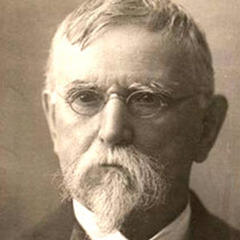
Lew Wallace
Lew Wallace was an American statesman, soldier, and author, best known for his novel 'Ben-Hur: A Tale of the Christ', which won the Pulitzer Prize for Fiction in 1885. He served as a Union general during the American Civil War and later as the Governor of the New Mexico Territory, involved in various diplomatic missions and instrumental in the establishment of the Kingdom of Hawaii. more
You May Also Like
“No matter how good or great a man may be, there is yet a better and a greater man within him.”
Source: You Are Worthless: Depressing Nuggets of Wisdom Sure to Ruin Your Day
Source: Balkan Ghosts: A Journey Through History
Source: The Secret Doctrine
“Men of sense are really all of one religion. But men of sense never tell what it is.”