“But you know who you are when you're on your own out there in all that emptiness. There's no past, no holding on to the scraps that are all you've got left. Everything is that minute, or maybe tomorrow, not yesterday.”
Quote by Alexandra Ripley
Work
Scarlett: the sequel to Margaret Mitchell's Gone with the wind
In this sequel to the classic 'Gone with the Wind', readers are taken on a journey through Scarlett O'Hara's life after the Civil War. The novel delves into her experiences and challenges as she navigates the post-war South, all while maintaining her fiery spirit and determination. more
Author
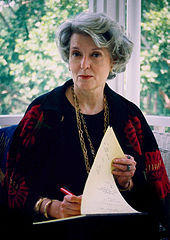
Alexandra Ripley
Alexandra Ripley, born on January 8, 1934, and died on January 10, 2004, was a renowned British writer known for her historical novels. Her works have been highly appreciated by readers for their unique narrative style and precise historical details. more
You May Also Like
“Why be a man when you can be a success?”
Source: Baal, A Man's a Man, and The Elephant Calf: Early Plays by Bertolt Brecht
Source: Scarlett: the sequel to Margaret Mitchell's Gone with the wind
Source: Scarlett: the sequel to Margaret Mitchell's Gone with the wind
Source: Scarlett: the sequel to Margaret Mitchell's Gone with the wind
“Oh, earth, you're too wonderful for anybody to realize you.”
Source: Three Plays: Our Town, The Skin of Our Teeth, The Matchmaker
Source: Seriously Funny: The Endlessly Quotable Terry Pratchett
Source: The Collected Works of Aldous Huxley: Point counter point
“An irrelevance, and your life's altered.”
Source: The collected works of Aldous Huxley