“...The Western 'God-image' is a representation of the collective unconscious, an archetype of the psyche that undergoes a continual process of transformation...The God image evolves through its relationship to humanity. Whoever knows God has an effect on 'him'. For the individual, knowing God, is the process of recognizing and assimilating the pressured and paradoxical contents of the self, which come to consciousness- seek incarnation- within the ego.”
Quote by Carl Jung
Author
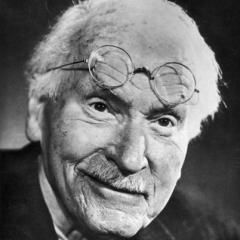
Carl Jung
Carl Jung, born on July 26, 1875, and died on June 6, 1961, was a renowned Swiss psychiatrist and psychologist. His theories have had a profound impact on fields such as psychology, psychiatry, and religious studies. Jung proposed the theory of personality types, the concept of the collective unconscious, and founded analytical psychology. more
You May Also Like
Source: Thoughts on Man, His Nature, Productions and Discoveries
Source: Awaken Children Vol. 8
Source: Awaken Children Vol. 8
Source: Mysticism and Logic, and Other Essays
“'I Am' is the name of God, God is none other than the Self.”
Source: Be As You Are: The Teachings of Sri Ramana Maharshi
“There is only consciousness. There is no individual apart from consciousness who is conscious.”
Source: Thoughts on Man, His Nature, Productions, and Discoveries: Interspersed with Some Particulars Respecting the Author