Quotessence
Home / Quotes / Quote by Tommaso Campanella

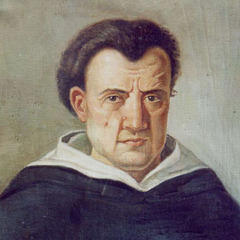
Quote by Tommaso Campanella

“Il popolo è una bestia varia e grossa, ch’ignora le sue forze; e però stassi a pesi e botte di legni e di sassi, guidato da un fanciul che non ha possa, ch’egli potria disfar con una scossa: ma lo teme e lo serve a tutti spassi. Né sa quanto è temuto, ché i bombassi fanno un incanto, che i sensi gli ingrossa. Cosa stupenda! e’ s’appicca e imprigiona con le man proprie, e si dà morte e guerra per un carlin di quanti egli al re dona. Tutto è suo quanto sta fra cielo e terra, ma nol conosce; e, se qualche persona di ciò l’avvisa, e’ l’uccide ed atterra.”

Quote by Tommaso Campanella

Book:Poesie

Work

Poesie

Browse quotes and source details for this work. more

Author

Tommaso Campanella
Tommaso Campanella

Tommaso Campanella (September 5, 1568 - May 21, 1639) was an Italian philosopher, theologian, mathematician, and poet. His ideas were deeply influenced by the Renaissance humanism and the Reformation. His most famous work is 'The City of the Sun'. more

You May Also Like

“ولأن الناس فيهم غرور .. يتصورون أنهم لا غنى عنهم فإذا كان واحد يعمل في مكان وترك هذا المكان، فهو يتصور أن هذا المكان و هذا المكتب أو هذة الشركة أو هذا المصنع سينهار يوماً بعد يوم ولذلك هو حريص على أن يسمع أخبار المصنع أو الشركة”

“The fact that one person imagines a "well-behaved" present and the other a predetermined future does not mean that they therefore fold their arms and become spectators (the former expecting that the present will continue, the latter waiting for the already "known" future to come to pass). On the contrary, closing themselves into "circles of certainty" from which they cannot escape, these individuals "make" their own truth. It is not the truth of men and women who struggle to build the future, running the risks involved in this very construction. Nor is it the truth of men and women who fight side by side and learn together how to build this future—which is not something given to be received by people, but is rather something to be created by them. Both types of sectarian, treating history in an equally proprietary fashion, end up without the people—which is another way of being against them.”