“From the greatest to the smallest, happiness and usefulness are largely found in the same soul, and the joy of life is won in its deepest and truest sense only by those who have not shirked life's burdens.”
Quote by Theodore Roosevelt
Work
Theodore Roosevelt on Bravery: Lessons from the Most Courageous Leader of the Twentieth Century
Theodore Roosevelt on Bravery delves into the life and actions of Theodore Roosevelt, highlighting his bravery and leadership during significant historical events. It examines his personal experiences and how they shaped his understanding of courage, offering readers a detailed look into the life of one of the most influential leaders of the twentieth century. more
Author
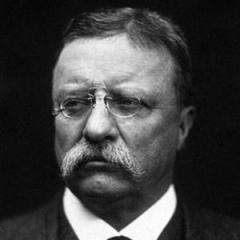
Theodore Roosevelt
Theodore Roosevelt was the 26th President of the United States, serving from 1901 to 1909. A progressive leader, he is known for his advocacy of the conservation movement, expansion of federal government regulation, and efforts to improve the lives of American citizens. more
You May Also Like
Source: History as Literature and Other Essays
Source: Theodore Roosevelt on Bravery: Lessons from the Most Courageous Leader of the Twentieth Century
Source: The Works of Theodore Roosevelt
Source: Letters and Speeches