Quotessence
Home / Quotes / Quote by John Masefield

Quote by John Masefield

Work

Selected poems

This book compiles a selection of poems that showcase the depth and diversity of the author's poetic voice, exploring a range of subjects and employing different literary techniques. more
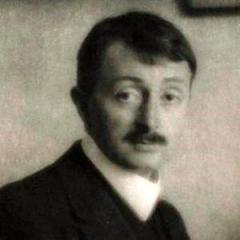
Author

John Masefield
John Masefield

John Masefield was an influential British poet known for his works that deeply explored the themes of nature and the sea. His poetry, characterized by its unique style and profound love for the natural world, includes notable works such as 'Sea Fever' and 'Cargoes'. Born on June 1, 1878, he passed away on May 12, 1967. more

You May Also Like

“Whatever the practical origins of aesthetic discernment may have been, it has been used to create great works of art. When the very loftiest human creations are seen to derive from humble origins and functions, what needs revision is not our esteem for these creations but our notion of nobility.”

“Our principles fix what our life stands for, our aims create the light our life is bathed in, and our rationality, both individual and coordinate, defines and symbolizes the distance we have come from mere animality. It is by these means that our lives come to more than what they instrumentally yield. And by meaning more, our lives yield more.”

“Our main conclusions about the state are that a minimal state, limited, to the narrow functions of protection against force, theft, fraud, enforcement of contracts, and so on, is justified, but any more extensive state will violate persons' rights not to be forced to do certain things, and is unjustified; and that the minimal state is inspiring as well as right.”

“Whoever makes something having bought or contracted for all other held resources used in the process (transferring some of his holdings for these cooperating factors), is entitled to it. The situation is not one of something's getting made, and there being an open question of who is to get it. Things come into the world already attached to people having entitlements over them.”