Quotessence
Home / Quotes / Quote by Cyril Connolly

Quote by Cyril Connolly

Work

Enemies of Promise

This book delves into the complexities of human ambition and the destructive consequences of betrayal, offering a rich tapestry of characters and their intertwined fates. more
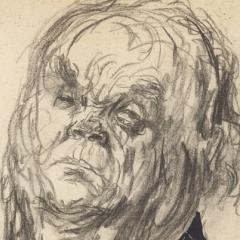
Author

Cyril Connolly
Cyril Connolly

Cyril Connolly was a prominent British literary critic and writer, known for his profound insights into modern literature and culture. His works include literary criticism, novels, and essays, with his most famous works being 'The Enemies' and 'The Private Papers of Henry Ryecroft'. Connolly's writing style was unique, characterized by satire and wit. more

You May Also Like

“If we have a decent sort of cat to begin with, and have always treated it courteously, and aren't cursed with meddling, bullying natures, it's a pleasure to let it do as it pleases. With children, this would be wicked and irresponsible, so raising children involves a lot of effort and friction. They need to be taught how to tie their shoes and multiply fractions, they need to be punished for pocketing candy in the grocery store, they need to be washed and combed and forced to clean up their rooms and say please and thank you. A cat is our relief and our reward.”

“Listening to as many guitar solos as possible is the best method for someone in the early stages. But saxophone solos can be helpful. They're interesting because they are all single notes, and therefore can be repeated on the guitar. If you can copy a sax solo you're playing very well, because the average saxophonist can play much better than the average guitarist.”

“The police have enough work to keep them busy regulating automobile traffic, preventing robberies and crimes of violence and helping lost children and little old ladies find their way home. As long as the police confine themselves to such activities they are respected friends of the public. But as soon as they begin inquiring into people's private morals, they become nothing more than armed clergymen.”

“The onus is on us to determine whether free societies in the twenty-first century will conduct electronic communication under the conditions of freedom established for the domain of print through centuries of struggle, or whether that great achievement will become lost in a confusion of new technologies.”