“Use gentle methods to get whatever good you can from priests and monks who are slaves, as well as from merchants and captives. Resort to severe measures only in extreme cases, for fear lest the hardship they are already enduring in their state of captivity, joined to the strictness you might want to exercise in virtue of your authority, drive them to despair. . . . It is not light they need, but strength, and strength permeates through the external balm of words and good example.”
Quote by Vincent de Paul
Work
Correspondence, Conferences, Documents: Apr. 1650-July 1653
The book is a compilation of historical documents, including letters, discussions, and records from the specified time period. It provides a detailed look into the political, social, and cultural context of the era, offering readers a glimpse into the events and conversations that shaped the period. more
Author
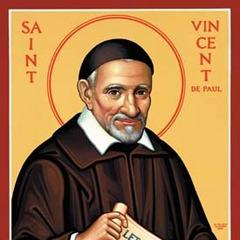
Vincent de Paul
St. Vincent de Paul, born on April 24, 1581, and died on September 27, 1660, was a renowned French priest, social reformer, and philanthropist. He is best known for his compassion and care for the poor and vulnerable, having founded organizations dedicated to aiding the needy, most notably the Vincentian Congregation, which continues to provide assistance worldwide. more
You May Also Like
Source: Correspondence, Conferences, Documents: Apr. 1650-July 1653
“. . . [T]hose persons who console you today may humiliate you tomorrow.”
Source: Correspondence, Conferences, Documents: Apr. 1650-July 1653
Source: Correspondence, Conferences, Documents: Apr. 1650-July 1653
Source: Correspondence, Conferences, Documents: Apr. 1650-July 1653
Source: Correspondence, Conferences, Documents: Apr. 1650-July 1653
“[A] sick mind cannot be cured by the sheer force of persuasion.”
Source: Correspondence, Conferences, Documents: Apr. 1650-July 1653
“Remember the maxim of the Romans which states that by union and counsel we can achieve anything.”
“... I am sure that you are the first to do what you teach them.”