Quotessence
Home / Quotes / Quote by William Wilberforce

Quote by William Wilberforce

“To the one, a little natural moderation and quietness of temper may be sufficient to conduct us: but to the other, we can only attain by much discipline and slow advances; and when we think we have made great way, we shall often find reason to confess in the hour of trial, that we had greatly, far too greatly, over-rated our progress.”

Quote by William Wilberforce

Work

A Practical View

This work presents a thoughtful consideration of how religious faith manifests in practical living. The text examines the character, motivations, and behaviors associated with serious religious commitment, offering observations on the relationship between inner spiritual conviction and outward conduct. Through careful analysis, the author invites readers to consider theauthentic expression of religious principles in daily existence, addressing questions of sincerity, humility, and service to others. The work stands as a meditation on the challenges and rewards of integrating profound spiritual beliefs with the demands of ordinary life, encouraging thoughtful readers to reflect on their own practices and priorities. more
Author

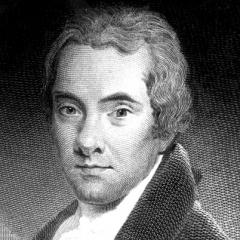
William Wilberforce
William Wilberforce

William Wilberforce was a British politician known for his leading role in the movement to abolish slavery. He actively pushed for legislation against the slave trade in the British Parliament and dedicated his life to promoting social justice and moral reform. more

You May Also Like

“True practical Christianity (never let it be forgotten) consists in devoting the heart and life to God; in being supremely and habitually governed by a desire to know, and a disposition to fulfill his will, and in endeavoring under the influence of these motives to 'live to his glory.' Where these essential requisites are wanting, however amiable the character may be, however creditable and respectable among men, yet, as it possesses not the grand distinguishing essence, it must not be complimented with the name of Christianity.”

“Watering places - the sports of the field - cards! never-failing cards! - the assembly - the theater - all contribute their aid - amusements are multiplied, and combined, and varied, 'to fill up the void of a listless and languid life;' and by the judicious use of these different resources, there is often a kind of sober settled plan of domestic dissipation, in which with all imaginable decency year after year wears away in unprofitable vacancy.”

“One who knows not what his rights are can never know when they are taken and is unable to defend them. He is like a man who believes he owns a piece of ground which his neighbor also claims, but he doesn't know its boundaries. The neighbor continues to encroach further and further onto land he suspects is his, but since he is never certain where the boundary is, he cannot check the advance. Until he takes a firm position and says: "this far and no further," there is no line.”

“[T]he central problem of government is a religious one; and anyone who assumes that he can form his political beliefs without consulting his ethics, which have their basis in religious conviction, is deceiving himself either about the true nature of government or his moral responsibility for his actions”

“The Founding Fathers believed that our Creator gave us certain inalienable rights. The Pledge of Allegiance simply reinforces the beliefs that led to the birth of our great nation. It is an oath of our fidelity to our country, and I am disappointed that the [9th Circuit] Court chose to rule against this American treasure.”