“We are most artistically caged.”
Book:Pale fire
“We are most artistically caged.”
Pale Fire is a 1962 novel by Vladimir Nabokov written as a long poem in four sections followed by a detailed commentary. The poem titled Pale Fire is attributed to the fictional poet John Shade, while the extensive notes are attributed to Charles Kinbote, a neighbor and self-proclaimed friend of Shade. The narrative structure creates profound ambiguity about what actually occurred, as the commentary increasingly reveals biases, inconsistencies, and personal preoccupations that conflict with the poem's surface meaning. The book explores themes of artistic creation, the nature of interpretation, exile from a lost homeland, and the fragility of meaning-making in the face of death. It is considered one of the most innovative novels of the twentieth century. more
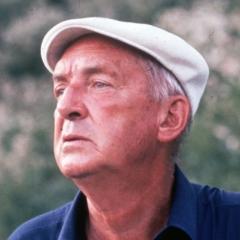
Russian-born American novelist, best known for his novel 'Lolita'. Nabokov is renowned for his unique literary style and profound use of language and symbolism. more
“Public education was not founded to give society what it wants. Quite the opposite.”
“We are saved by faith alone, but the faith that saves is never alone.”