“When I say my wound became political in the years that followed, I don't mean that my involvement in the anti-war movement was somehow insincere or that I have any regrets about my activism. As a champion of the downtrodden, the disenfranchised, the poor, and the oppressed, I found a new outlet for the somewhat irrational but nevertheless strong sense I had of being an outsider in a group - uncomfortable, awkward, and quick to feel a slight. Political feeling can't exist without identification, and mine inevitably went to people without power, In contrast, right-wing ideologies often appeal to those who want to link themselves to authority, people for whom the sight of military parades or soldiers marching off to war is aggrandizing, not painful. Inevitably, there is sublimation in politics, too. It becomes an avenue for suppressed aggression and anger, and I was no exception. And so it was that armed with passion and gorged on political history, I became a firebrand at fourteen. For three years, I read and argued and demonstrated. I marched against the Vietnam War, helped print strike T-shirts at Carleton College after the deaths of four students at Kent State, attended rallies, raised money for war-torn Mozambique, signed petitions, licked envelopes for the American Indian Movement, and turned into a feminist. But even then, I didn't believe all the rhetoric.”
Quote by Siri Hustvedt
Work
This work presents a series of reflective essays that examine the nature of eros and its expression in human experience. The writing delves into questions of love, attraction, and the emotional bonds that connect people. Through literary analysis and personal reflection, the essays probe the complexities of desire and its role in art, relationships, and daily life. The collection offers readers an intellectual exploration of how eros shapes human perception and interaction with the world. more
Author
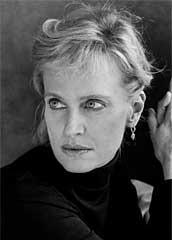
Siri Hustvedt is an American novelist born on February 19, 1955. Her works are known for their deep psychological insights and exploration of female experiences. Hustvedt's novels often blend philosophy, literature, and psychology, showcasing complex characters and inner worlds. more
You May Also Like
“The price of conviction has never been cheap, but it will always be worth it.”