Quotessence
Home / Quotes / Quote by Eiji Yoshikawa

Quote by Eiji Yoshikawa

Work

Taiko

Browse quotes and source details for this work. more

Author

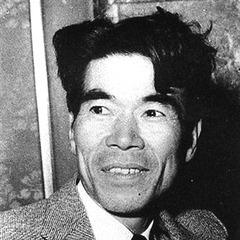
Eiji Yoshikawa
Eiji Yoshikawa

Eiji Yoshikawa was a distinguished Japanese novelist renowned for his historical novels. Born on August 11, 1892, in Tokyo, he was a prolific writer who delved into various facets of Japanese history and culture. Yoshikawa's works frequently portrayed the struggles and victories of ordinary individuals against the backdrop of significant historical events. His writing style was marked by its vivid descriptions and emotional depth, which struck a chord with a broad audience. He passed away on September 7, 1962. more

You May Also Like

“[Philip's death was] beyond comparison the most afflicting of my life.... He was truly a fine youth. But why should I repine? It was the will of heaven and he is now out of the reach of the seductions and calamities of a world full of folly, full of vice, full of danger, of least value in proportion as it is best known. I firmly trust also that he has safely reached the haven of eternal repose and felicity. (Alexander Hamilton letter to Benjamin Rush about the death of his 19-year old son from mortal wounds inflicted from a duel.)”

“I see a repose that neither earth nor hell can break, and I feel an assurance of the endless and shadowless hereafter—the Eternity they have entered—where life is boundless in its duration, and love in its sympathy, and joy in its fullness. I noticed on that occasion how much selfishness there is even in a love like Mr. Linton's, when he so regretted Catherine's blessed release!”

“The wave of pure outrage blindsided me. I shouldn't be here, I thought. This is utterly fucked up. I should have been sitting in a garden down the road, barefoot with a drink in my hand, swapping the day's work stories with Peter and Jamie. I had never thought about this before, and it almost knocked me over: all the things we should have had. We should have stayed up all night together studying and stressing out before exams, Peter and I should have argued over who got to bring Jamie to our first dance and slagged her about how she looked in her dress. We should have come weaving home together, singing and laughing and inconsiderate, after drunken college nights. We could have shared a flat, taken off Interrailing around Europe, gone arm-in-arm through dodgy fashion phases and low-rent gigs and high-drama love affairs. Two of us might have been married by now, given the other one a godchild. I had been robbed blind.”