“If that marvellous microcosm, man, with all the costly cargo of his faculties and powers, were indeed a rich argosy, fitted out and freighted only for shipwreck and destruction, who amongst us that tolerate the present only from the hope of the future, who that have any aspirings of a high and intellectual nature about them, could be brought to submit to the disgusting mortifications of the voyage?”
Quote by Charles Caleb Colton
Work
Remarks on the Talents of Lord Byron and the Tendencies of Don Juan
This book provides an in-depth examination of the literary contributions and personal traits of the poet Lord Byron, as well as an exploration of the character Don Juan, examining the influences and inspirations behind both figures. more
Author
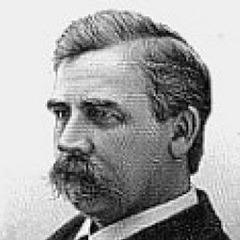
Charles Caleb Colton
Charles Caleb Colton was an English writer active from 1780 to 1832. Known for his humor and wit, he is particularly recognized for his aphorisms and satirical works. more
You May Also Like
Source: Lacon: Or, Many Things in Few Words, Addressed to Those who Think
“Gaming is the child of avarice, but the parent of prodigality.”
Source: L.P.
Source: Lacon: Or Many Things in Few Words, Addressed to Those who Think
Source: Lacon, Or, Many Things in a Few Words: Addressed to Those who Think
Source: Lacon, Or, Many Things in a Few Words: Addressed to Those who Think
Source: Lacon: or, Many things in few words
“It is better to sleep on things beforehand than lie awake about them afterwards.”
Source: The Art of Worldly Wisdom
Source: Lacon: Or Many Things in Few Words, Addressed to Those who Think
Source: Lacon: Or Many Things in Few Words, Addressed to Those who Think